Every once in a while, a new tool comes along that completely changes how we talk about creativity. Right now, artificial intelligence is having its big, exciting moment in home design. From instant room makeovers to automated layout generators, AI tools are everywhere on our social feeds—and let’s be honest, who can blame anyone for having fun with them? Typing a quick vision into a prompt and watching a gorgeous, photorealistic room pop up in seconds feels like pure magic.
At GreyHunt Interiors, we love anything that sparks imagination and gets people energized about their spaces! But as these tools become more popular, we often hear the conversation framed as a battle: AI versus the interior designer.
In reality, that misses the point entirely. The real distinction to understand is AI-generated concepts versus technically verified, livable design.
AI is a fantastic digital playground for exploring what’s possible. But bridging the gap between a picture on a screen and a home that supports your daily life is where true interior design magic happens.
Where AI Shines: The Ultimate Creative Playground
There’s no question that AI is a wonderful catalyst for early inspiration. Staring at an empty room or a layout that just isn’t working can feel overwhelming. Getting past that initial blank canvas is often the hardest part of any project, and AI gives you a fast, accessible way to experiment. You can test out bold color palettes, play with vibrant wallcoverings, or see what an underused dining room might look like transformed into a moody, layered lounge.
What makes these tools so exciting is how responsive they are when you give them real detail. Just like any great brainstorm, the quality of what you get out depends directly on what you put in.
When you give an AI tool rich context—uploading wide-angle photos of the entire room, noting where the natural sunlight hits throughout the day, and sharing how your family actually moves through the space—it can produce surprisingly thoughtful visual concepts. Think of AI as an advanced digital sketchbook: a fun, efficient way to clarify your aesthetic preferences and kickstart your home renovation planning.
Beyond the Screen: What a Prompt Can’t Check Behind Your Walls
As gorgeous as an AI rendering looks on a backlit screen, a digital image isn't a construction blueprint—and it cannot guarantee that a space can safely or comfortably exist in the physical world. AI creates the feeling of a finished room without having to follow the laws of physics, building codes, or practical living.
Here is what an AI concept simply cannot verify for your home:
AI cannot see behind your drywall to locate load-bearing studs, plumbing stacks, HVAC ducts, or electrical runs. It’s easy for a computer to erase a wall to make an open layout, but in real life, taking down that wall could compromise the structural integrity of your second floor.
Real-world interior design is grounded in safety. AI tools don’t know whether a floating staircase meets regional safety codes, if a fireplace surround meets required fire-rated setbacks, or if a kitchen island leaves enough room for your oven and dishwasher to open safely at the same time.
A digital render arranges pixels to look pretty within a flat 2D frame, not for how human beings move through a room. A dramatic oversized sectional might look stunning in an image, but in real life, it could block your main walkway or overwhelm an eight-foot ceiling.
AI frequently invents dream-like furniture silhouettes, lighting, and joinery details that do not exist in the real world and cannot be manufactured. A digital render cannot test fabric durability ratings or quality, accurately calculate custom cabinetry weight limits, or account for lead times.
An AI rendering gives you the idea of a room. Translating that concept into a safe, buildable reality requires hands-on technical verification that only experienced design professionals can deliver.
Designing for Real Life: Why Great Spaces Must Be Felt
Interior design is an emotional, sensory experience. A home is never meant to be viewed from a single camera angle—it is an environment you experience through touch, sound, light, and movement every single day.
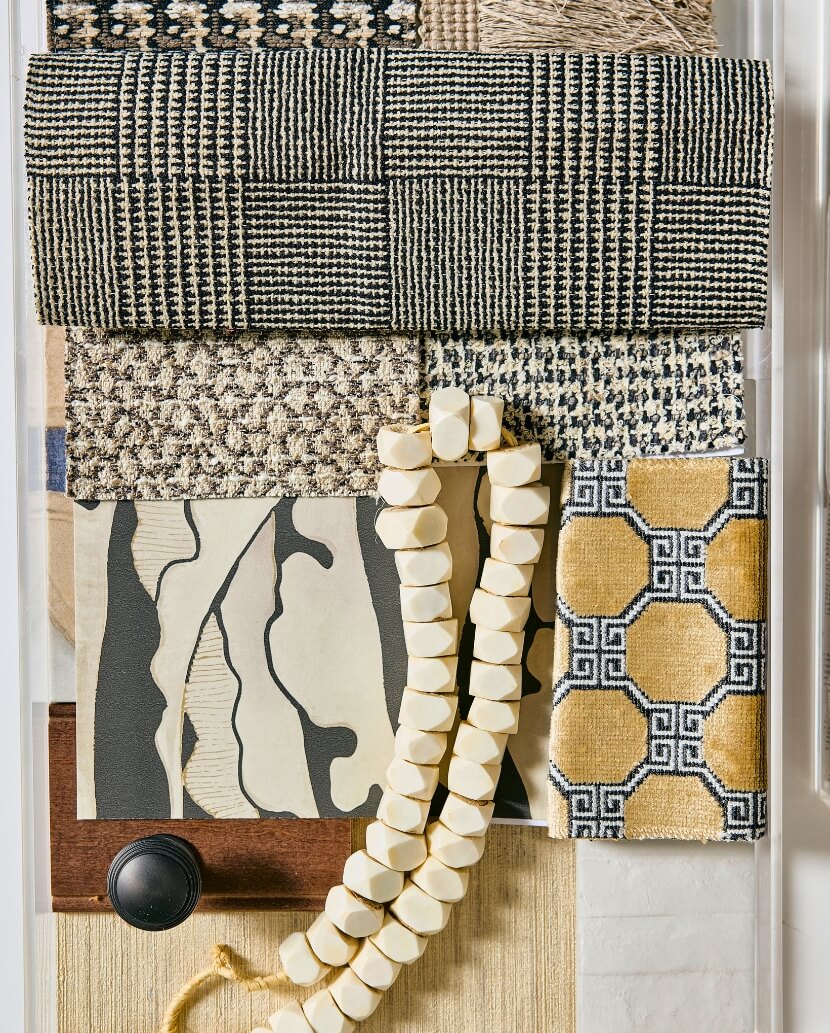
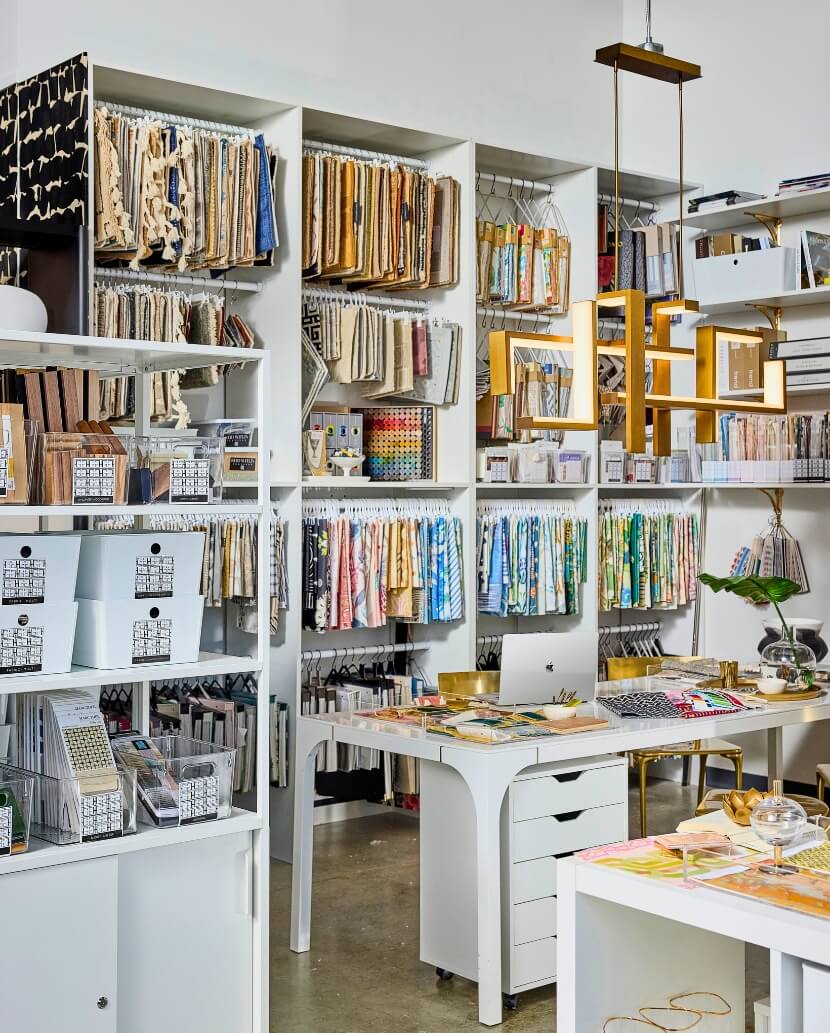
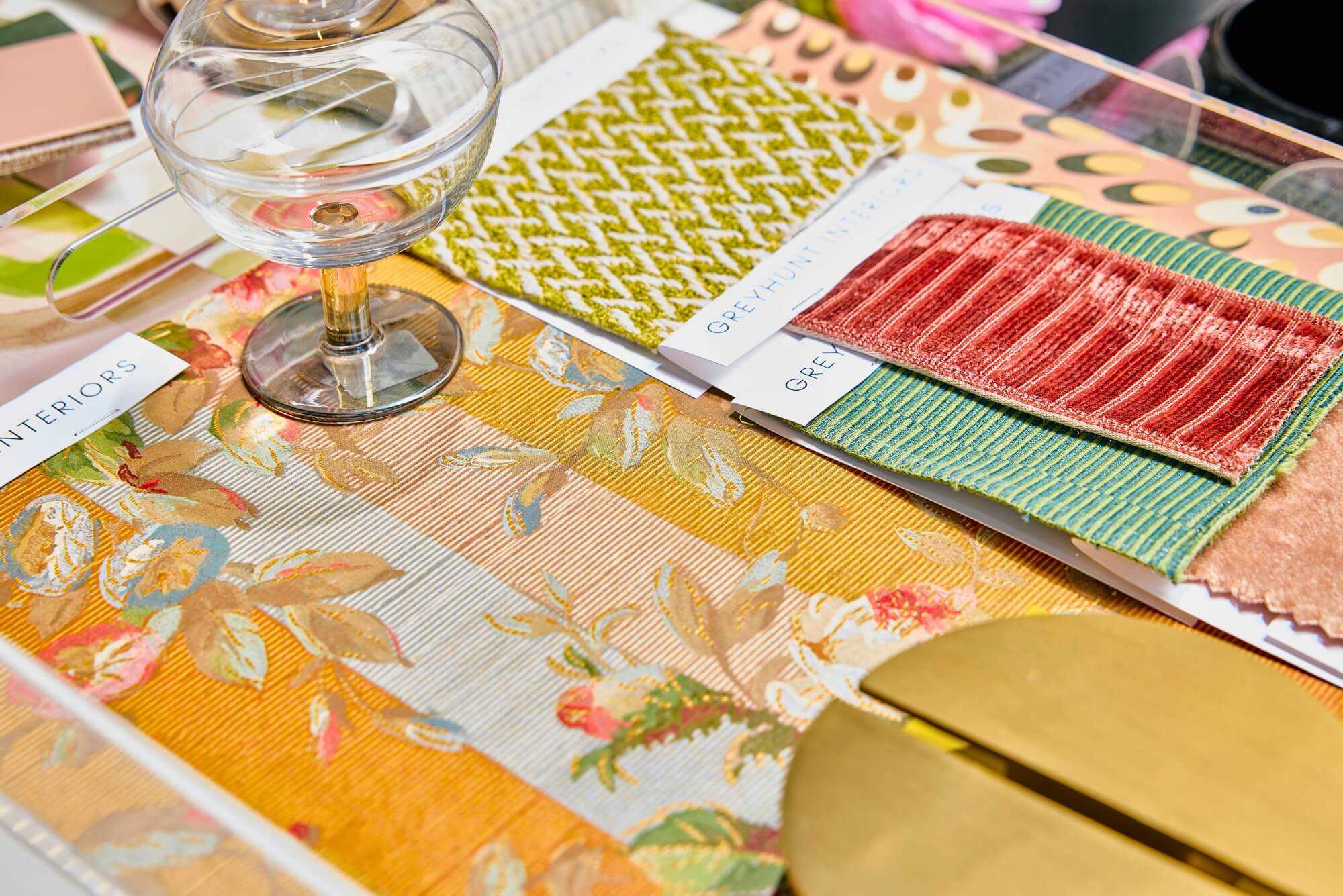
When our design team creates a custom space, we are thinking about how a performance velvet feels when you sink into it after a long day, how custom drapery softens the echo in a busy family room, and how warm, layered lighting sets the right mood from morning coffee to evening unwinding. We bring physical finish samples into your home's unique light, test textures, and select durable materials built to handle kids, pets, and real everyday life.
Even more importantly, great design comes from empathetic listening. An algorithm cannot catch the subtle hesitation in your voice when a bold pattern is suggested, nor can it balance two completely different personal styles into one cohesive, harmonious home. That human connection is what turns a house into a sanctuary.
How to Use AI Thoughtfully on Your Design Journey
If you love playing with AI tools, keep exploring! They are wonderful resources when you treat them as an idea generator rather than a finished plan.
Here’s how to make the most of them for your next project:
Use AI images to explore color stories, textures, and overall vibes rather than trying to track down and purchase every exact item in the picture.
When generating concepts, provide clear, wide-angle photos of the whole room and include details about how you use the space day-to-day.
Take note of recurring elements in your favorite generated images—whether that’s warm wood tones, rich colors, or cozy reading corners—to help define your personal style vocabulary.
Before tearing down a wall or ordering custom furniture, bring your inspiration to licensed contractors and an experienced interior design team who can measure your space, check building feasibility, and guide your investment wisely.
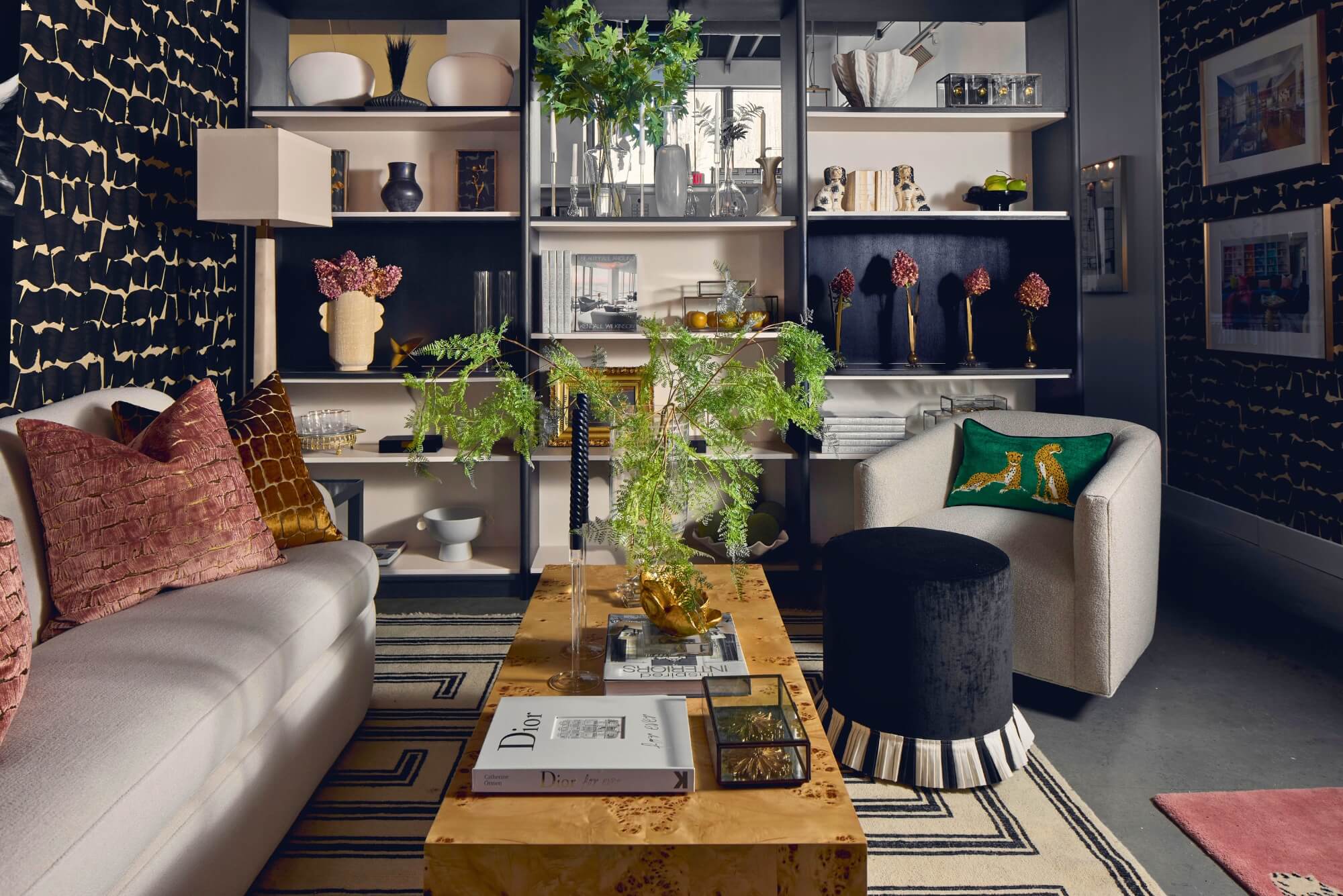
Bringing Your Vision to Life
Technology is an exciting part of the creative world, and AI has earned a fun spot in design research and visual brainstorming. But a truly extraordinary home is never just a collection of digital pixels. It is a thoughtfully crafted, functional, and deeply personal haven created for the way you and your family live.
If you have a folder full of ideas—whether they are AI renderings, magazine tear-outs, or sketches on a napkin—we would love to help you shape them into a space that feels incredible to come home to. Reach out to GreyHunt Interiors, and let’s start bringing your dream home to life!
Search Posts
Recent Posts
- High Point Market Fall 2026: We Saw, We Loved & We Scouted!
- Let’s Talk Numbers: Why the Best Interior Design Journeys Start with Total Transparency
- Why Sending A Link Misses The Point
- A Touch of Ted Lasso, Family History, and the Beautiful Game: The Story Behind My Favorite New Piece
- AI in Interior Design: From Digital Concept to a Home You’ll Love Living In
- Scavenging, Repurposing & Rediscovery: Designing With What You Already Have
- How Much Does a Primary Bathroom Renovation Cost? (And Why Prices Are Higher Right Now)
- Building More Than Homes: GHI Joins the 2026 Women Build
- 10 Must-Knows For Aspiring Interior Designers
- Introducing the GreyHunt FineZa Shop: A Curated Collection for the Texture-Lovers
Latest On Instagram

Contact Our Team
Every once in a while, a new tool comes along that completely changes how we talk about creativity. Right now, artificial intelligence is having its big, exciting moment in home design. From instant room makeovers to automated layout generators, AI tools are everywhere on our social feeds—and let’s be honest, who can blame anyone for having fun with them? Typing a quick vision into a prompt and watching a gorgeous, photorealistic room pop up in seconds feels like pure magic.
At GreyHunt Interiors, we love anything that sparks imagination and gets people energized about their spaces! But as these tools become more popular, we often hear the conversation framed as a battle: AI versus the interior designer.
In reality, that misses the point entirely. The real distinction to understand is AI-generated concepts versus technically verified, livable design.
AI is a fantastic digital playground for exploring what’s possible. But bridging the gap between a picture on a screen and a home that supports your daily life is where true interior design magic happens.
Where AI Shines: The Ultimate Creative Playground
There’s no question that AI is a wonderful catalyst for early inspiration. Staring at an empty room or a layout that just isn’t working can feel overwhelming. Getting past that initial blank canvas is often the hardest part of any project, and AI gives you a fast, accessible way to experiment. You can test out bold color palettes, play with vibrant wallcoverings, or see what an underused dining room might look like transformed into a moody, layered lounge.
What makes these tools so exciting is how responsive they are when you give them real detail. Just like any great brainstorm, the quality of what you get out depends directly on what you put in.
When you give an AI tool rich context—uploading wide-angle photos of the entire room, noting where the natural sunlight hits throughout the day, and sharing how your family actually moves through the space—it can produce surprisingly thoughtful visual concepts. Think of AI as an advanced digital sketchbook: a fun, efficient way to clarify your aesthetic preferences and kickstart your home renovation planning.
Beyond the Screen: What a Prompt Can’t Check Behind Your Walls
As gorgeous as an AI rendering looks on a backlit screen, a digital image isn't a construction blueprint—and it cannot guarantee that a space can safely or comfortably exist in the physical world. AI creates the feeling of a finished room without having to follow the laws of physics, building codes, or practical living.
Here is what an AI concept simply cannot verify for your home:
AI cannot see behind your drywall to locate load-bearing studs, plumbing stacks, HVAC ducts, or electrical runs. It’s easy for a computer to erase a wall to make an open layout, but in real life, taking down that wall could compromise the structural integrity of your second floor.
Real-world interior design is grounded in safety. AI tools don’t know whether a floating staircase meets regional safety codes, if a fireplace surround meets required fire-rated setbacks, or if a kitchen island leaves enough room for your oven and dishwasher to open safely at the same time.
A digital render arranges pixels to look pretty within a flat 2D frame, not for how human beings move through a room. A dramatic oversized sectional might look stunning in an image, but in real life, it could block your main walkway or overwhelm an eight-foot ceiling.
AI frequently invents dream-like furniture silhouettes, lighting, and joinery details that do not exist in the real world and cannot be manufactured. A digital render cannot test fabric durability ratings or quality, accurately calculate custom cabinetry weight limits, or account for lead times.
An AI rendering gives you the idea of a room. Translating that concept into a safe, buildable reality requires hands-on technical verification that only experienced design professionals can deliver.
Designing for Real Life: Why Great Spaces Must Be Felt
Interior design is an emotional, sensory experience. A home is never meant to be viewed from a single camera angle—it is an environment you experience through touch, sound, light, and movement every single day.
When our design team creates a custom space, we are thinking about how a performance velvet feels when you sink into it after a long day, how custom drapery softens the echo in a busy family room, and how warm, layered lighting sets the right mood from morning coffee to evening unwinding. We bring physical finish samples into your home's unique light, test textures, and select durable materials built to handle kids, pets, and real everyday life.
Even more importantly, great design comes from empathetic listening. An algorithm cannot catch the subtle hesitation in your voice when a bold pattern is suggested, nor can it balance two completely different personal styles into one cohesive, harmonious home. That human connection is what turns a house into a sanctuary.
How to Use AI Thoughtfully on Your Design Journey
If you love playing with AI tools, keep exploring! They are wonderful resources when you treat them as an idea generator rather than a finished plan.
Here’s how to make the most of them for your next project:
Use AI images to explore color stories, textures, and overall vibes rather than trying to track down and purchase every exact item in the picture.
When generating concepts, provide clear, wide-angle photos of the whole room and include details about how you use the space day-to-day.
Take note of recurring elements in your favorite generated images—whether that’s warm wood tones, rich colors, or cozy reading corners—to help define your personal style vocabulary.
Before tearing down a wall or ordering custom furniture, bring your inspiration to licensed contractors and an experienced interior design team who can measure your space, check building feasibility, and guide your investment wisely.
Bringing Your Vision to Life
Technology is an exciting part of the creative world, and AI has earned a fun spot in design research and visual brainstorming. But a truly extraordinary home is never just a collection of digital pixels. It is a thoughtfully crafted, functional, and deeply personal haven created for the way you and your family live.
If you have a folder full of ideas—whether they are AI renderings, magazine tear-outs, or sketches on a napkin—we would love to help you shape them into a space that feels incredible to come home to. Reach out to GreyHunt Interiors, and let’s start bringing your dream home to life!
Search Posts
Recent Posts
- High Point Market Fall 2026: We Saw, We Loved & We Scouted!
- Let’s Talk Numbers: Why the Best Interior Design Journeys Start with Total Transparency
- Why Sending A Link Misses The Point
- A Touch of Ted Lasso, Family History, and the Beautiful Game: The Story Behind My Favorite New Piece
- AI in Interior Design: From Digital Concept to a Home You’ll Love Living In
- Scavenging, Repurposing & Rediscovery: Designing With What You Already Have
- How Much Does a Primary Bathroom Renovation Cost? (And Why Prices Are Higher Right Now)
- Building More Than Homes: GHI Joins the 2026 Women Build
- 10 Must-Knows For Aspiring Interior Designers
- Introducing the GreyHunt FineZa Shop: A Curated Collection for the Texture-Lovers